Dental Emergency? Same-day appointments available. Call now: Cary Dental Arts: (919) 297-2701 | Wake Dental Arts: (919) 297-8858

Invisalign

Clear Aligners

Clear Aligners in Cary, NC with patient education, treatment process, technology, cost guidance, FAQs, and appointment links for both Dental Arts locations.

Invisalign

Clear Aligners: what patients should know

Use Invisalign clear aligner planning, 3D digital scans, progress tracking, and retainer guidance to help patients straighten teeth with fewer interruptions to daily life.

During a clear aligners visit, the team focuses on diagnosis, patient comfort, long-term function, and clear choices before treatment begins.
Clear Aligners dental service visual card
Clear Aligners: visual treatment education for invisalign.

Patient video

Watch: clear aligner instructions

Videos are loaded only when selected by the patient, helping the page stay faster while still offering richer education.

Patient instruction video covering everyday clear aligner wear, handling, and care.

Technology used

Digital tools used when they improve invisalign planning.

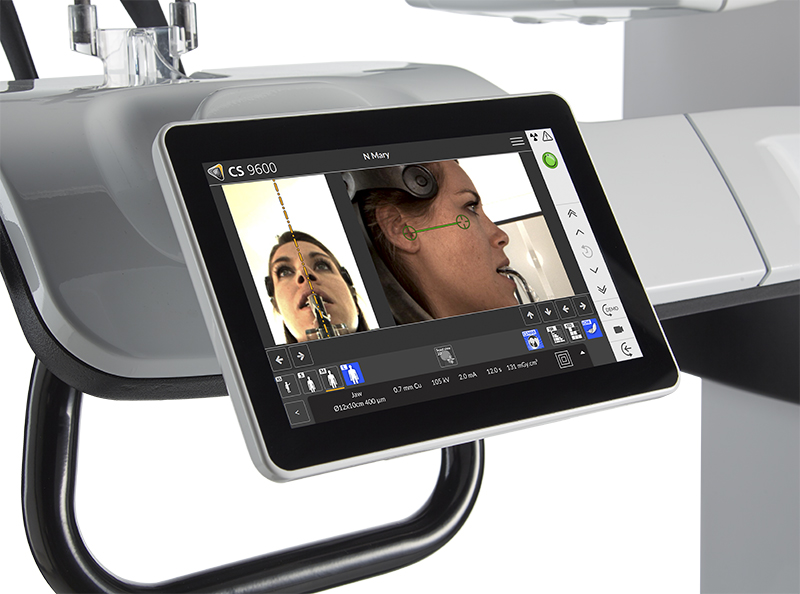
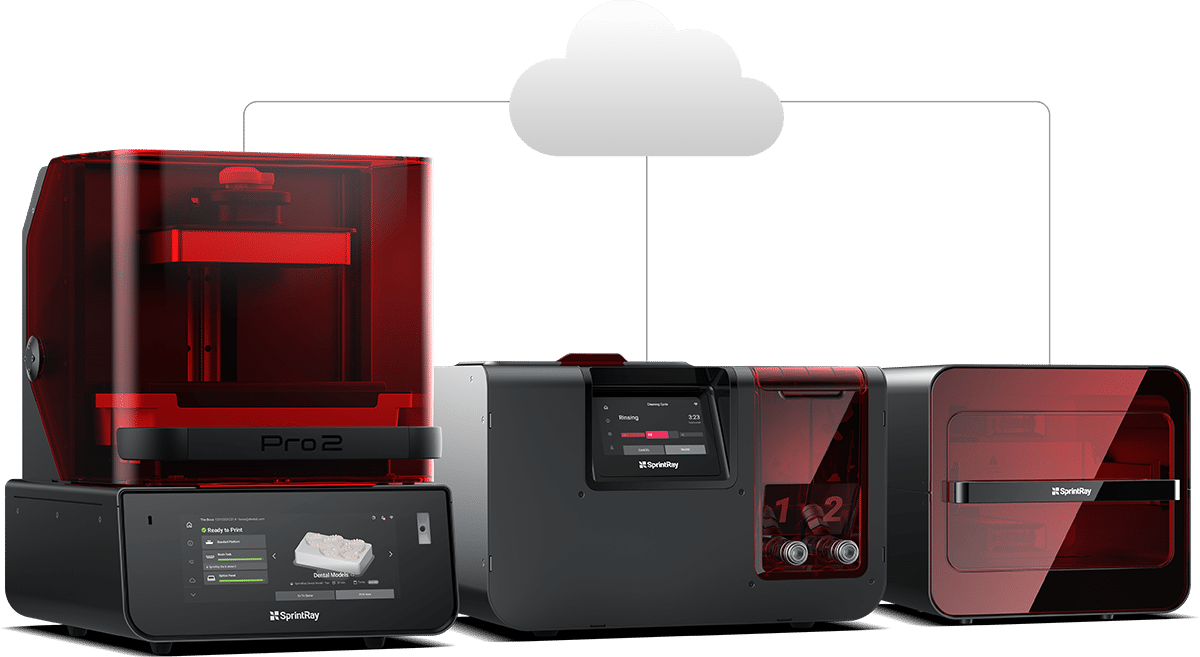
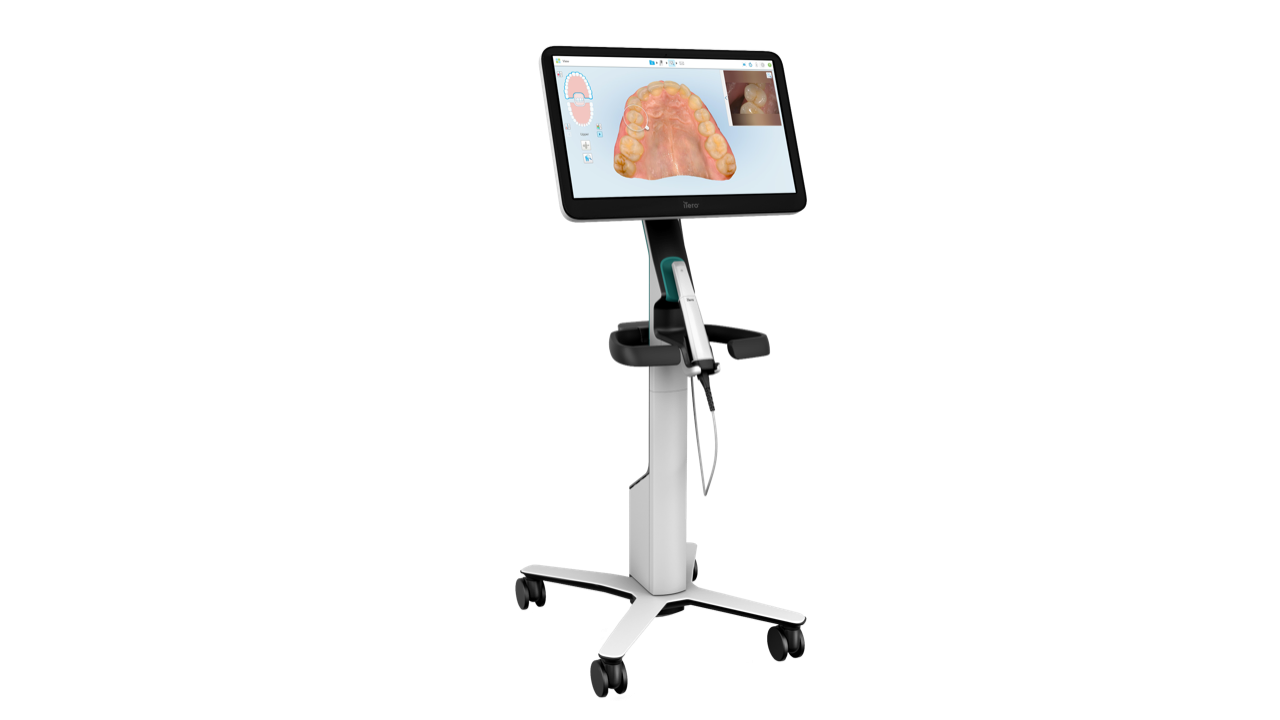
These product images are used where relevant, so patients can connect the technology to the actual service workflow.

iTero Lumina 3D Scanner
CS 9600 Face Scan
CS 9600 Face Scan
SprintRay Pro 2
SprintRay Pro 2

Invisalign Clear Aligner Journey

Invisalign treatment starts with a digital scan and smile goals, then moves into a staged clear-aligner plan. Patients wear each aligner as instructed, remove trays for eating and brushing, and return for progress checks or refinements when needed.

The marketing focus is simple for patients: clear, removable, digitally planned aligners with a retainer phase to help protect the final smile.

What Patients Should Know

  • Aligners usually need 20 to 22 hours of daily wear.
  • Attachments or IPR may be recommended for precise tooth movement.
  • Digital planning helps preview staged movement before treatment begins.
  • Retainers are part of the treatment, not an optional extra.

Who This Helps

This section helps teens and adults compare Invisalign treatment, clear aligners, attachments, IPR, refinements, cost, smile simulation, and the retainer phase after active tooth movement.

  • Patients comparing treatment options and timing.
  • Patients who want a clear diagnosis before making a decision.
  • Patients looking for modern dental technology in Cary, NC.

Technology Used

  • 3D digital intraoral scan
  • Smile simulation
  • Digital tooth-movement planning
  • Attachment and IPR planning
  • Retainer planning

Technology is selected only when it improves diagnosis, planning, precision, patient education, or comfort.

Treatment Process

  1. Invisalign consultation and smile goals
  2. 3D digital intraoral scan
  3. Bite, crowding, spacing, and gum evaluation
  4. Digital tooth-movement plan and aligner staging
  5. Attachments or IPR if needed
  6. Aligner delivery and 20 to 22 hour wear guidance
  7. Progress checks, refinements, and retainer phase

Cost, Insurance, and Financing

The exact cost depends on diagnosis, materials, number of visits, and whether related treatment is needed. Dental Arts can review insurance benefits, membership options, and financing before care starts.

Patient FAQs

How does Invisalign treatment work?

Invisalign treatment uses a series of clear removable aligners that move teeth in planned stages. The process starts with a consultation, digital scan, bite review, and treatment plan before aligners are ordered.

How many hours per day do aligners need to be worn?

Most Invisalign patients are asked to wear aligners 20 to 22 hours per day, removing them for meals, brushing, and flossing. Consistent wear helps treatment stay on track.

What are Invisalign attachments and IPR?

Attachments are small tooth-colored shapes that help aligners grip teeth for certain movements. IPR is careful polishing between teeth to create tiny amounts of space when needed.

Will Invisalign work for crowding or spacing?

Many crowding and spacing cases can be treated with Invisalign, but the best option depends on tooth position, bite, gum health, growth, and whether other dental treatment is needed first.

Why are retainers important after Invisalign?

Retainers help maintain the final tooth position after active aligner treatment. Without retainers, teeth can gradually shift back toward their old positions.

Dental Health & Concerns

Learn more about your dental health and care options.

Explore related conditions and treatment guides before your visit.

Next action

Book, call, or route this visit to the right location.