Oral Appliance Therapy for Sleep Apnea
Oral appliance therapy uses a custom-fit dental device worn during sleep. For appropriate patients, the appliance gently advances or stabilizes the lower jaw so the airway has more room to stay open.
Dental Arts uses digital records and appliance fitting visits to support comfort, effectiveness, and long-term follow-up. Sleep apnea diagnosis and treatment decisions should be coordinated with a physician or sleep medicine provider.
What Follow-Up Includes
- Custom appliance fitting and comfort checks.
- Gradual adjustment of jaw position when appropriate.
- Monitoring for jaw soreness, bite changes, tooth movement, or appliance wear.
- Communication with the sleep physician when follow-up sleep testing or medical review is needed.
6 Steps to Starting Oral Appliance Therapy
- Screening questions, health history, and airway risk review.
- Physician diagnosis, sleep evaluation, or sleep test when needed.
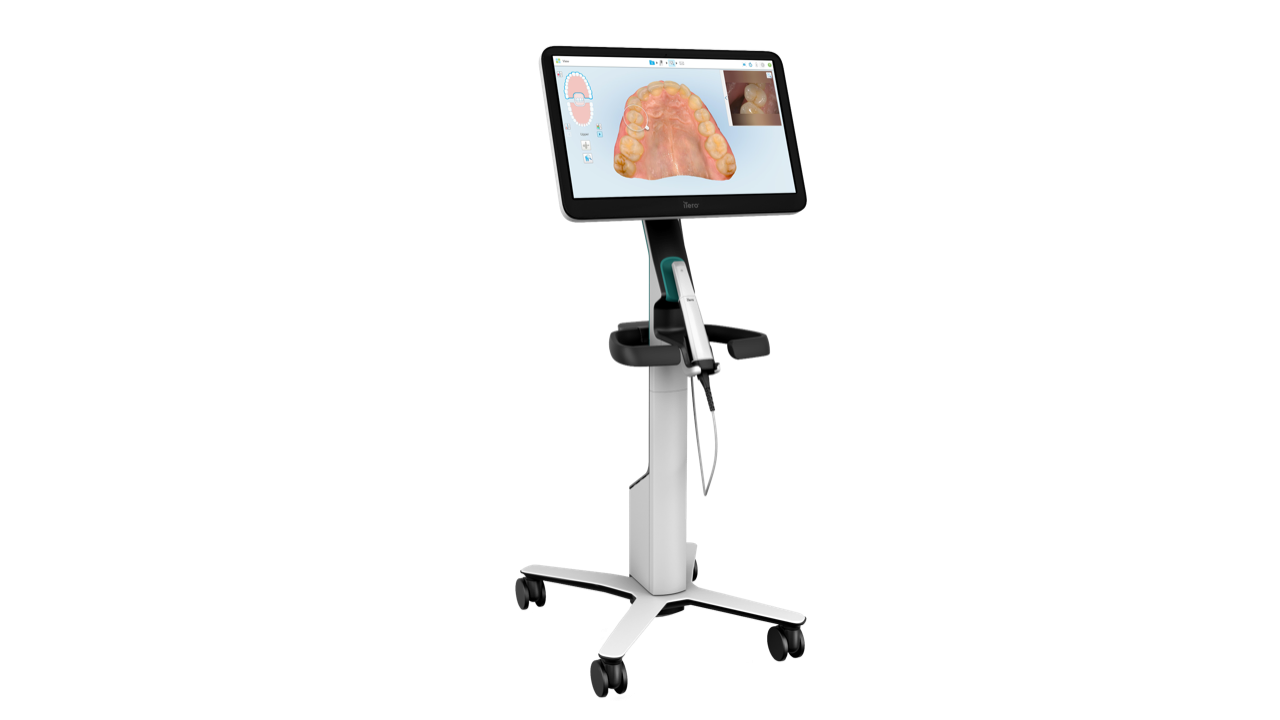
- Digital scan or impressions for a custom oral appliance.
- Fitting visit and lower-jaw positioning for comfort and airway support.
- Follow-up visits to adjust the appliance and monitor response.
- Daily use, cleaning, travel, and yearly reassessment.
Why the Steps Matter
The goal is not just to make an appliance. The goal is a comfortable device that is used consistently, supports the airway, and stays coordinated with the patient's medical sleep care.
Follow-up is important because the appliance may need adjustment over time and because symptoms alone do not always prove that sleep apnea is controlled.