Dental Emergency? Same-day appointments available. Call now: Cary Dental Arts: (919) 297-2701 | Wake Dental Arts: (919) 297-8858

Unique to You · Oral Conditions

Dry Mouth

Dry Mouth explained in clear patient-friendly language, including what to notice, what a dentist may review, and questions to ask.

Oral Conditions

Low saliva increases cavity, gum, swallowing, taste, and mouth-soreness risks because saliva normally protects oral tissues.

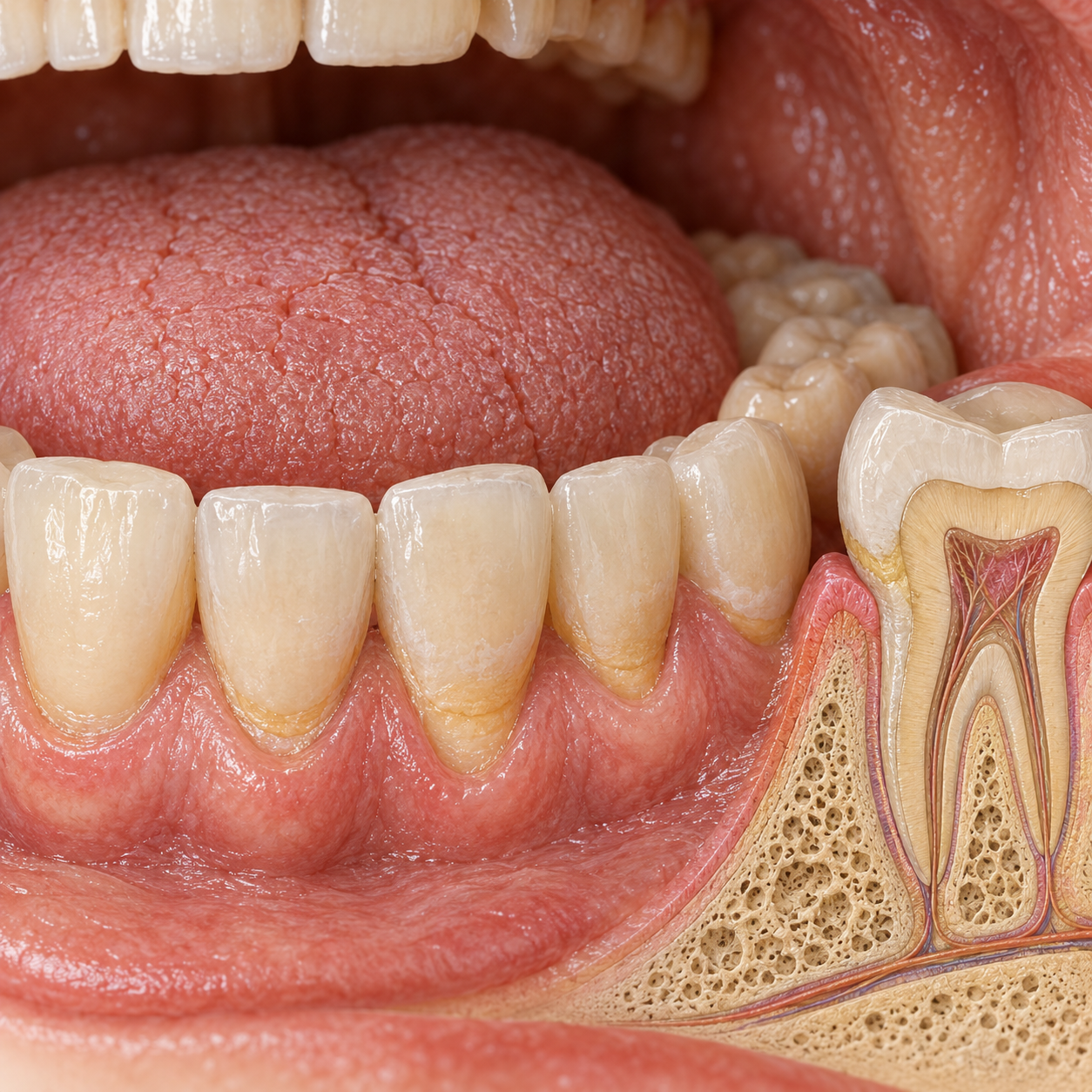
Clinical illustration of dry mouth

Evidence-based guidance

Practical steps for dry mouth.

Overview

Dry mouth, or xerostomia, is the feeling or condition of having too little saliva. Because saliva lubricates tissues, supports swallowing, controls microbes, and helps repair enamel, persistent dryness can affect comfort and substantially increase cavity and infection risk.

Causes

  • Dry mouth occurs when salivary glands do not make enough saliva and is often related to medicines, dehydration, Sjögren’s disease, diabetes, or nerve damage.
  • Head and neck radiation and some cancer medicines can change or reduce saliva.

Contributing Factors

  • Many medicines used for blood pressure, depression, allergies, pain, and bladder conditions can contribute.
  • Tobacco, alcohol, caffeine, mouth breathing, and inadequate fluid intake may worsen symptoms.

Symptoms

  • Common symptoms include a sticky or burning mouth, thick saliva, cracked lips, altered taste, bad breath, and difficulty speaking, chewing, or swallowing.
  • Low saliva also increases risk for rapid tooth decay, mouth sores, and fungal infection.

Diagnosis

  • A dentist or physician reviews health conditions, radiation history, hydration, and every prescription, over-the-counter medicine, and supplement.
  • The examination may include the teeth and soft tissues, saliva-flow measurement, blood tests, or referral when an underlying disease is suspected.

Prevention

  • Sip water, maintain fluoride-based home care, attend risk-based dental visits, and avoid tobacco and alcohol.
  • Do not stop a prescribed medicine on your own; ask the prescriber whether timing, dosage, or an alternative can be considered.

Treatment

  • Treatment targets the cause and may include saliva substitutes, moisturizers, sugar-free gum when safe, prescription saliva stimulants, or medication coordination.
  • High-fluoride products and more frequent preventive care may be recommended to protect teeth.

Explore care

Related Dental Arts services

Next action

Book, call, or route this visit to the right location.