Dental Health & Concerns
Unique to You
Unique to You patient education from Dental Arts, written in clear language to support informed dental conversations.
Explore this section
Your age, health history, habits, medications, anatomy, and goals all influence the right oral-health plan.
Select any topic for a focused explanation, warning signs, questions to ask, and connected Dental Arts resources.
Oral Conditions
Oral Conditions
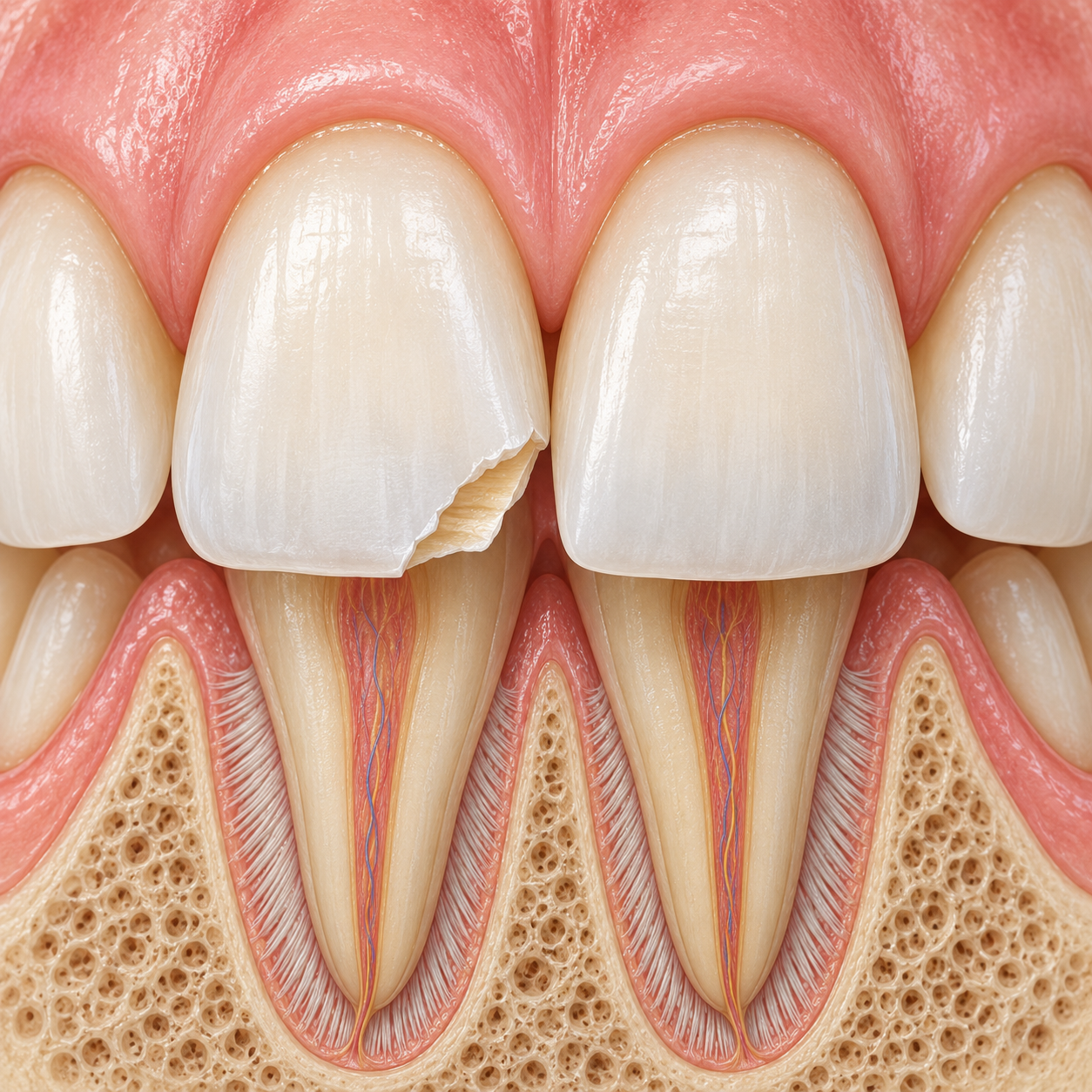
Chipped Tooth
A chip may be cosmetic or may expose deeper tooth layers, create a sharp edge, or signal a larger fracture.
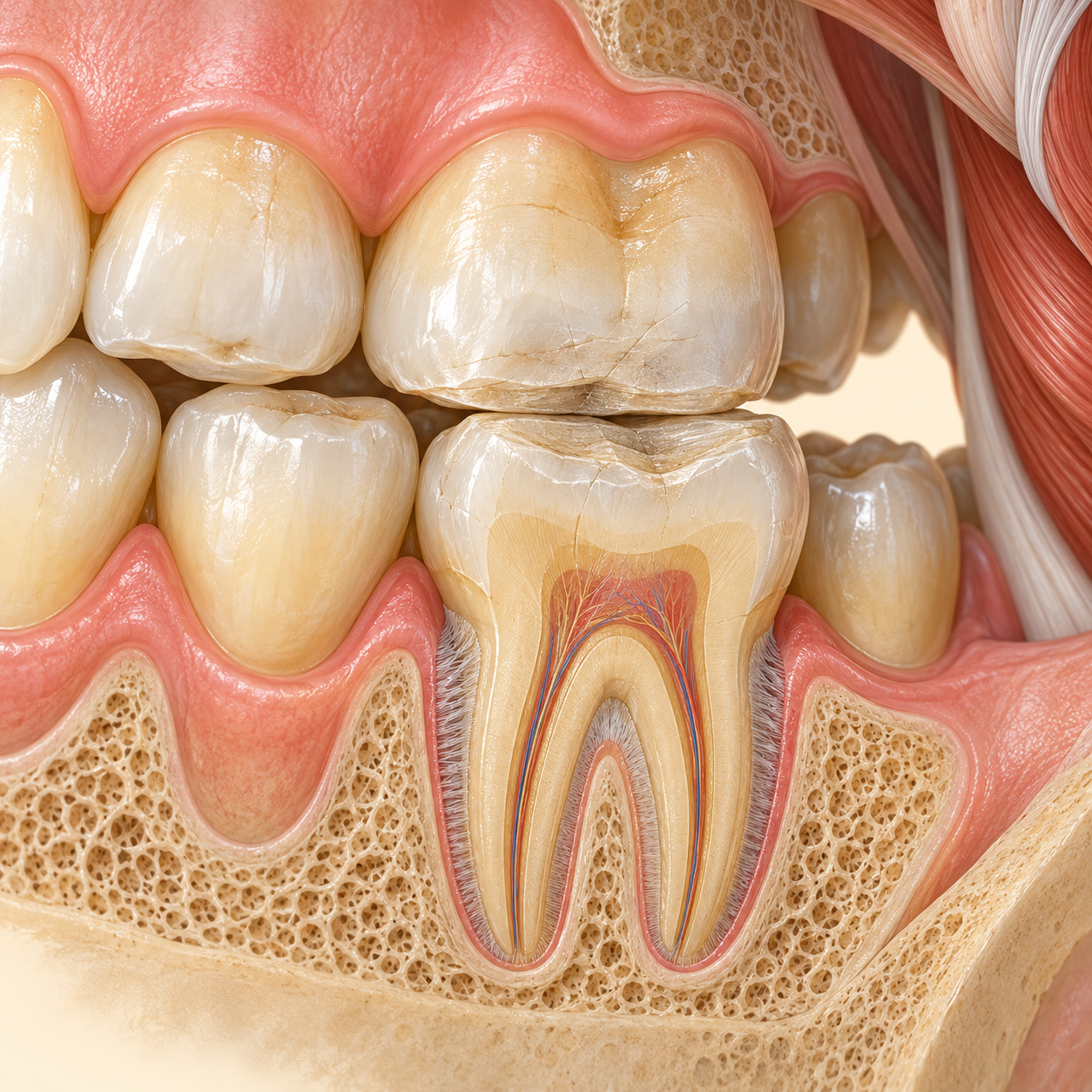
Grinding or Clenching
Repeated bite forces can contribute to worn enamel, cracks, muscle fatigue, headaches, and jaw soreness.
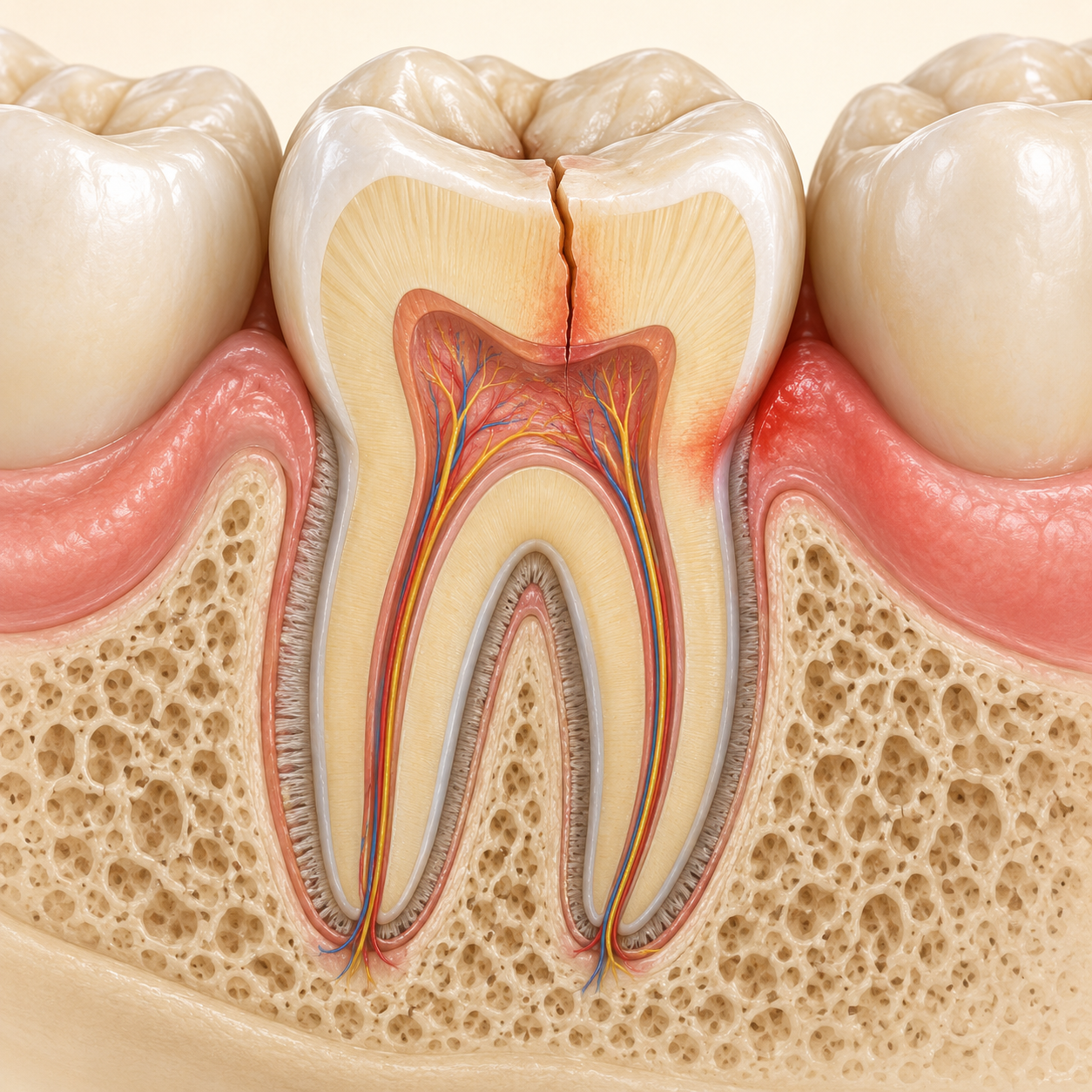
Cracked Tooth
Cracks vary in depth and direction; pain with biting or temperature can be an important warning sign.
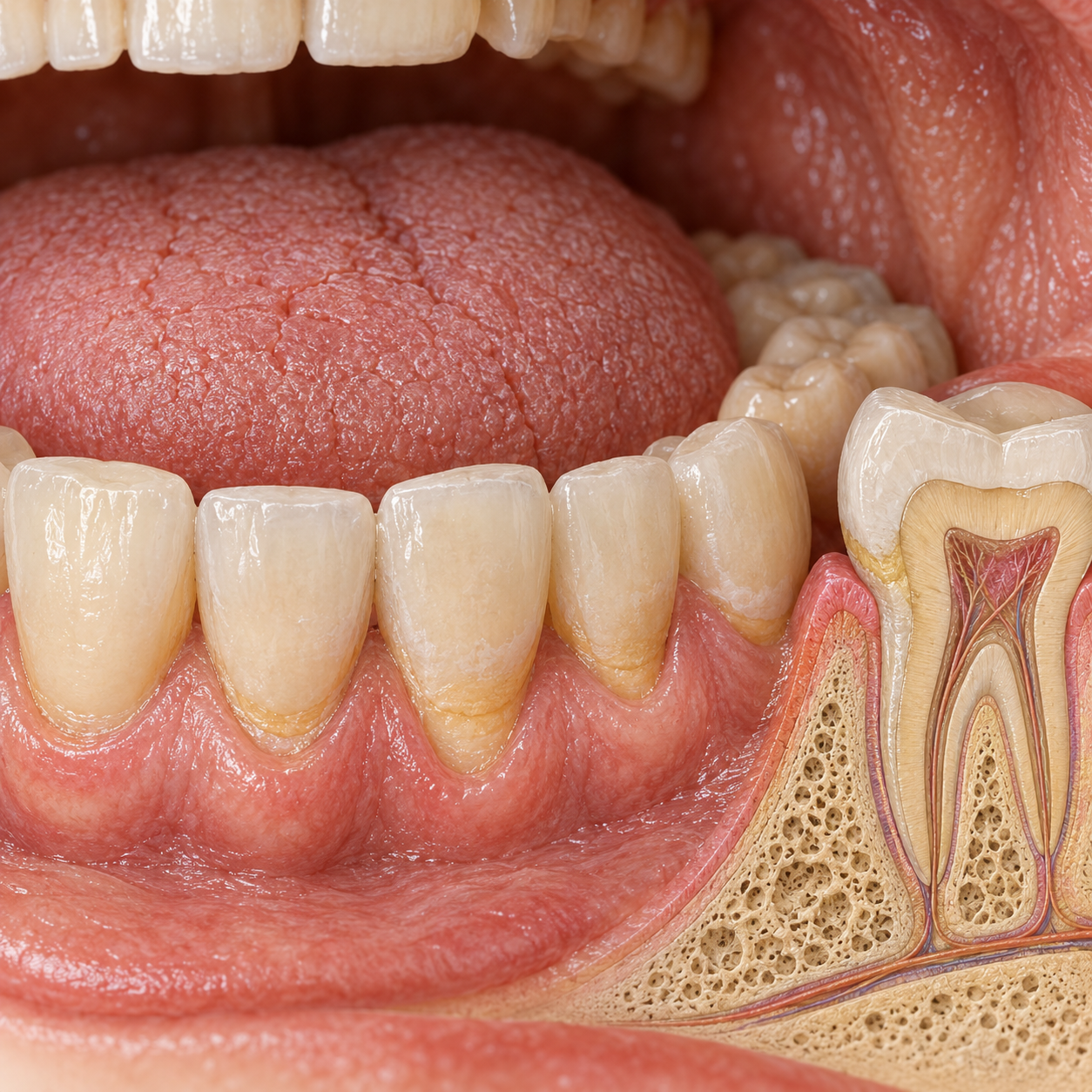
Dry Mouth
Low saliva increases cavity, gum, swallowing, taste, and mouth-soreness risks because saliva normally protects oral tissues.
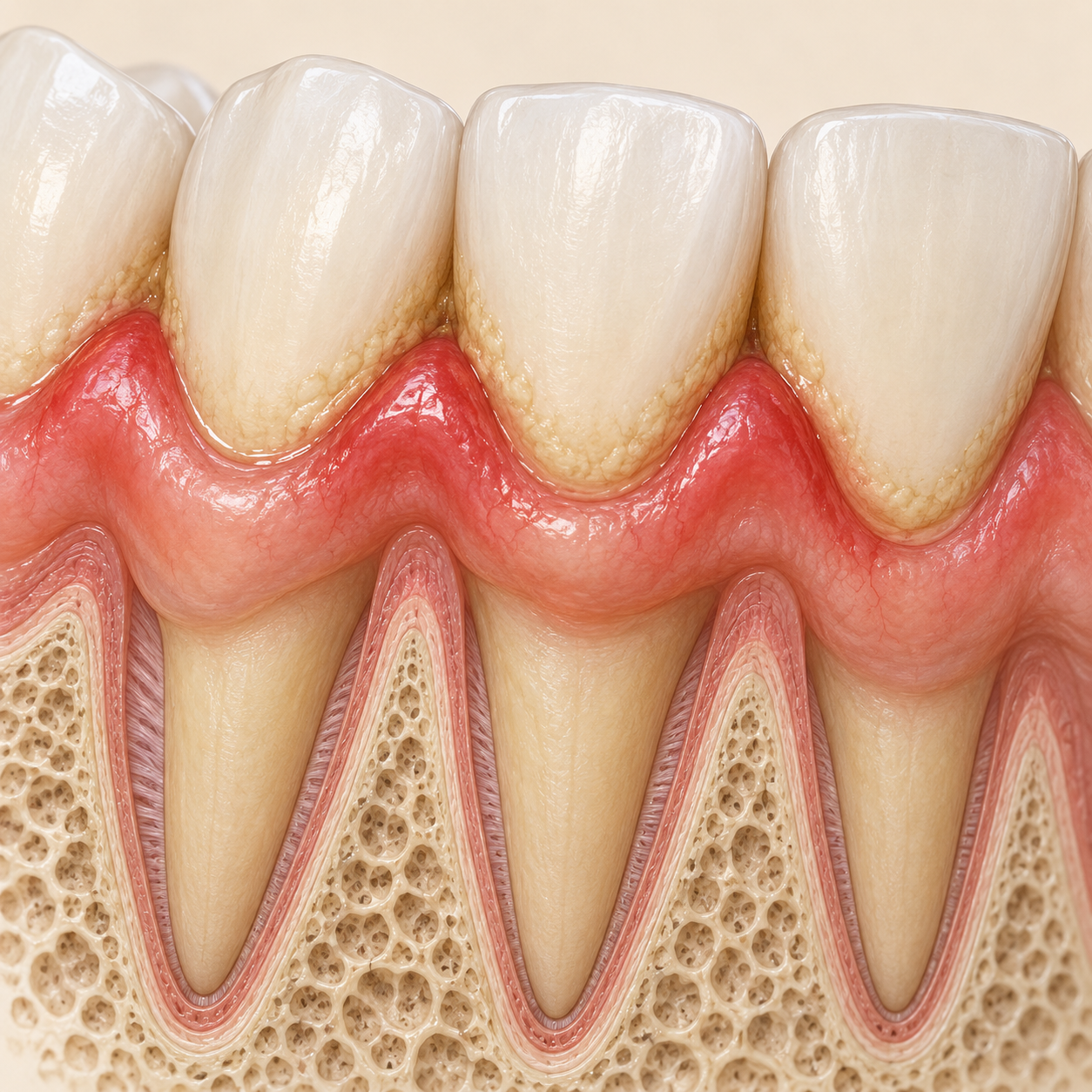
Gingivitis
Early gum inflammation often causes redness or bleeding and can frequently improve with effective plaque control and professional care.
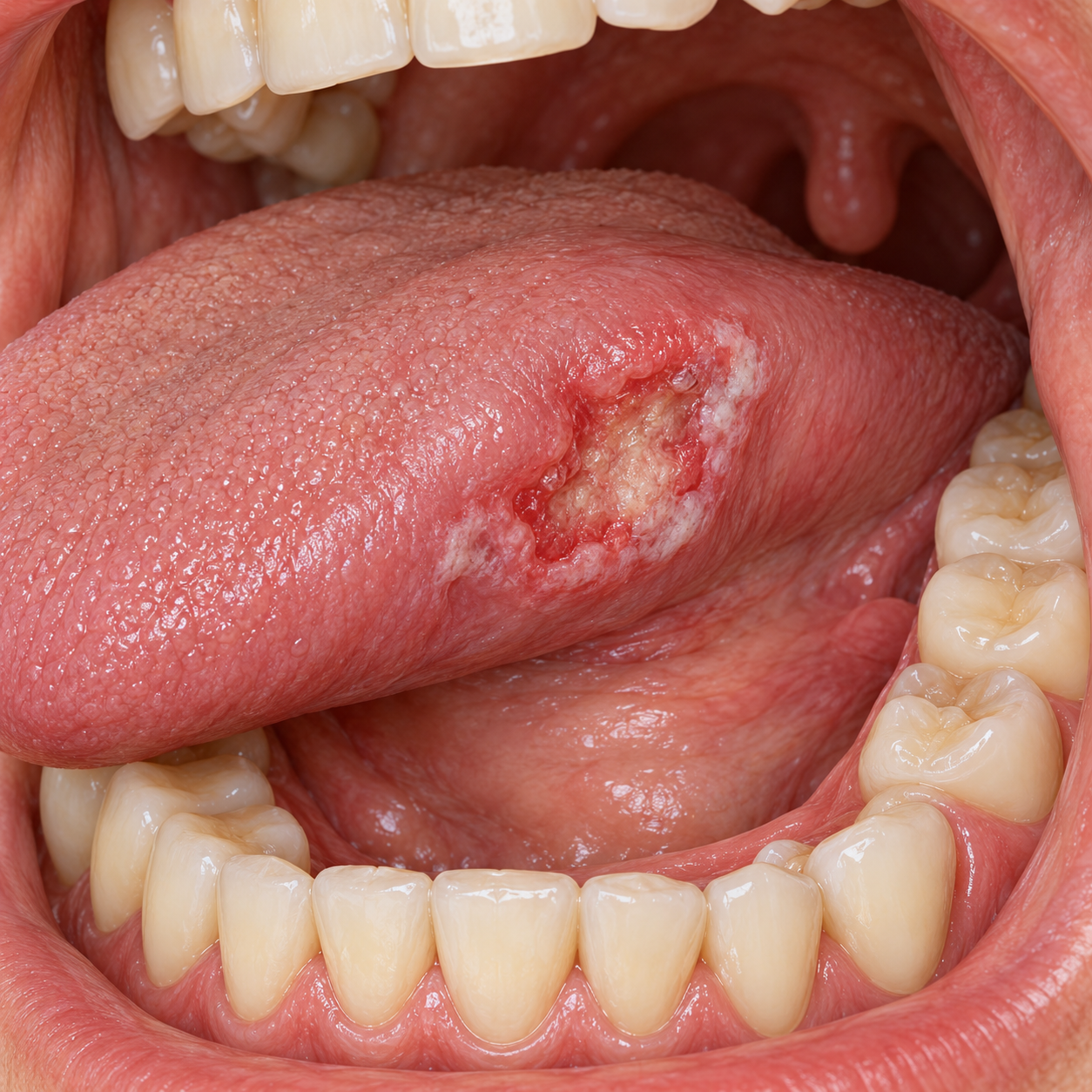
Oral Cancer
A persistent sore, lump, color change, unexplained bleeding, or swallowing difficulty deserves prompt professional assessment.
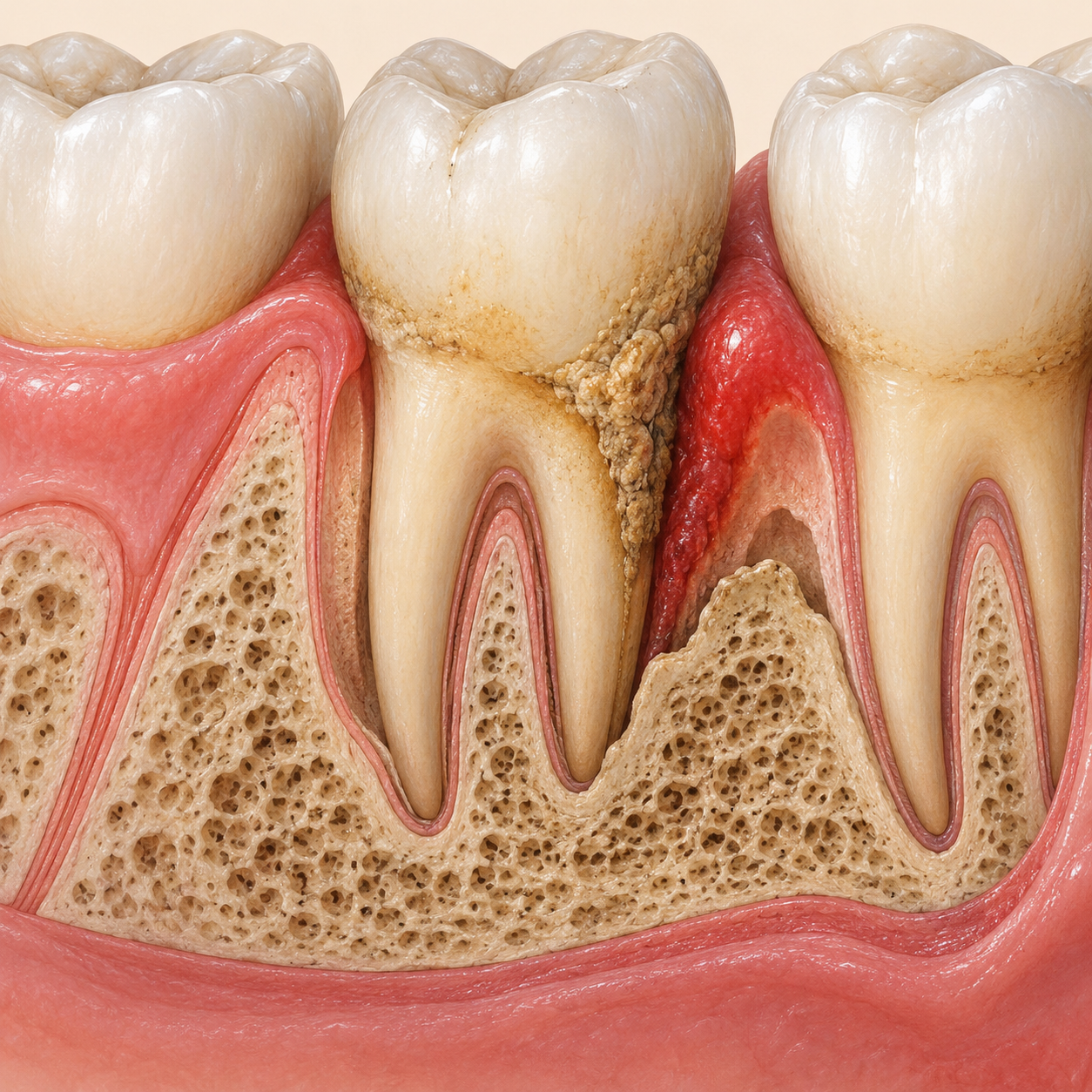
Periodontal Disease
Advanced gum infection can damage the bone and attachment supporting teeth, sometimes with little pain.
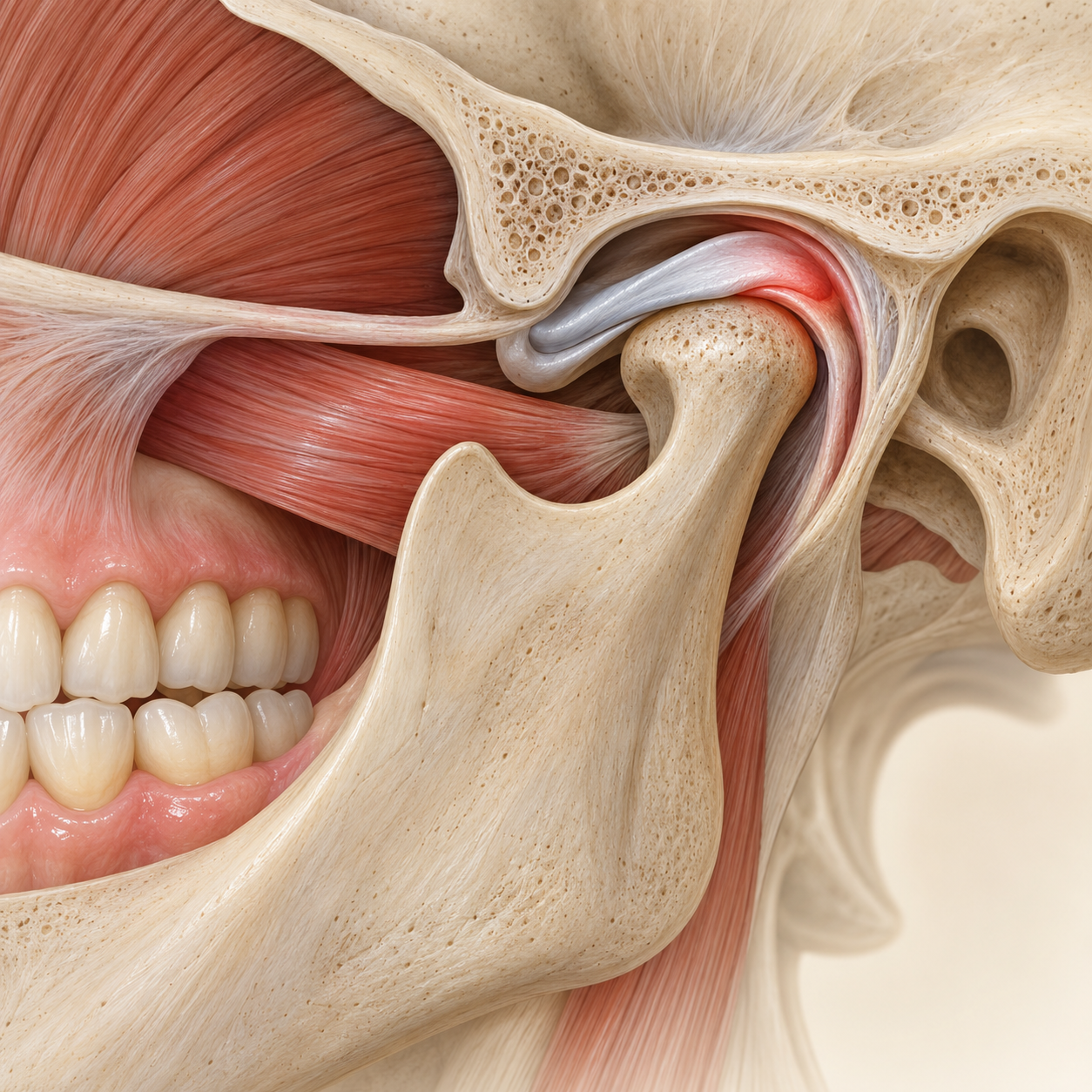
TMJ Disorders
Jaw-joint and muscle symptoms may include soreness, limited opening, clicking, headaches, or pain with chewing.
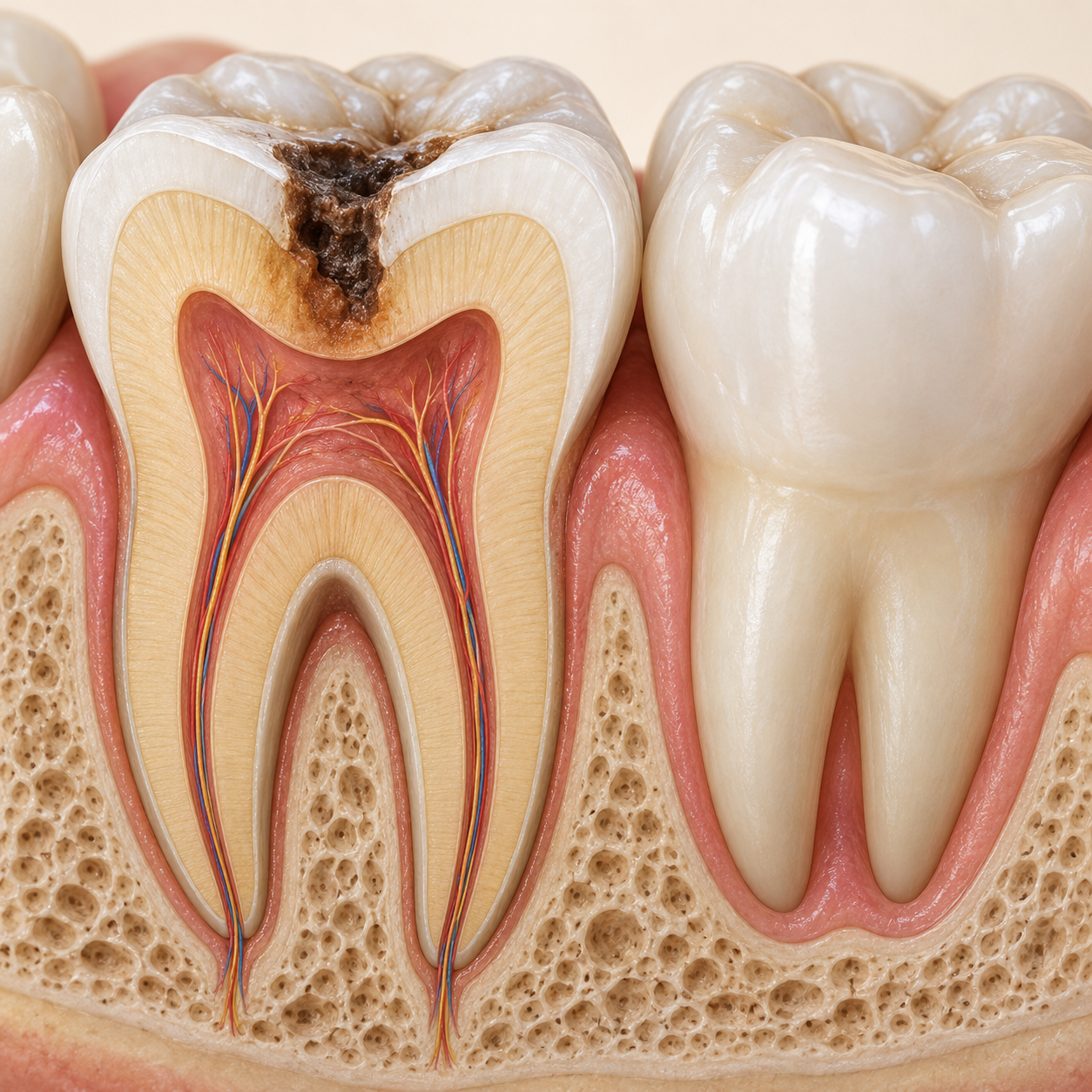
Tooth Decay
Cavities develop when bacterial acids repeatedly remove minerals from enamel and dentin.
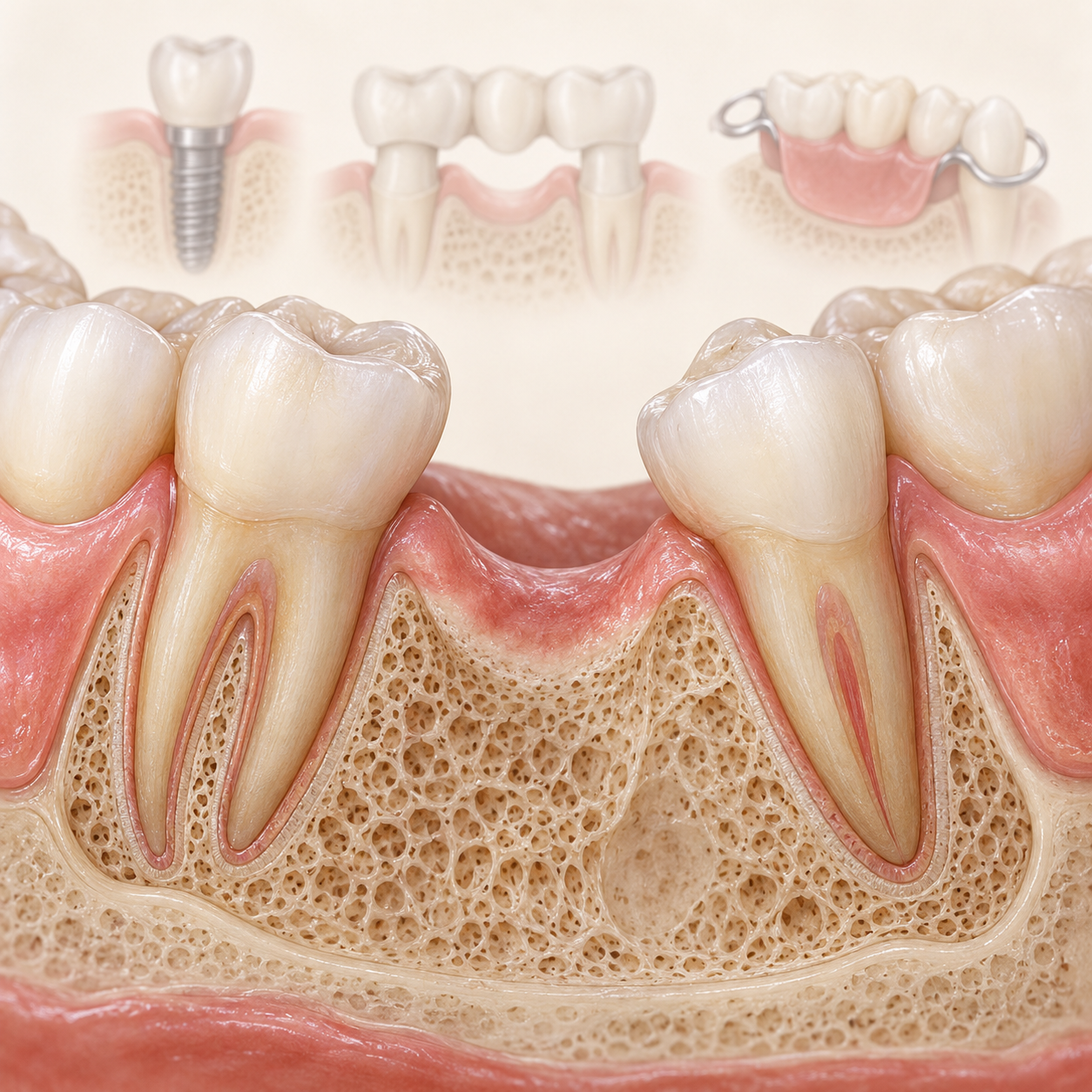
Tooth Loss
Missing teeth may affect chewing, speech, tooth position, bone, and confidence; replacement needs are individual.
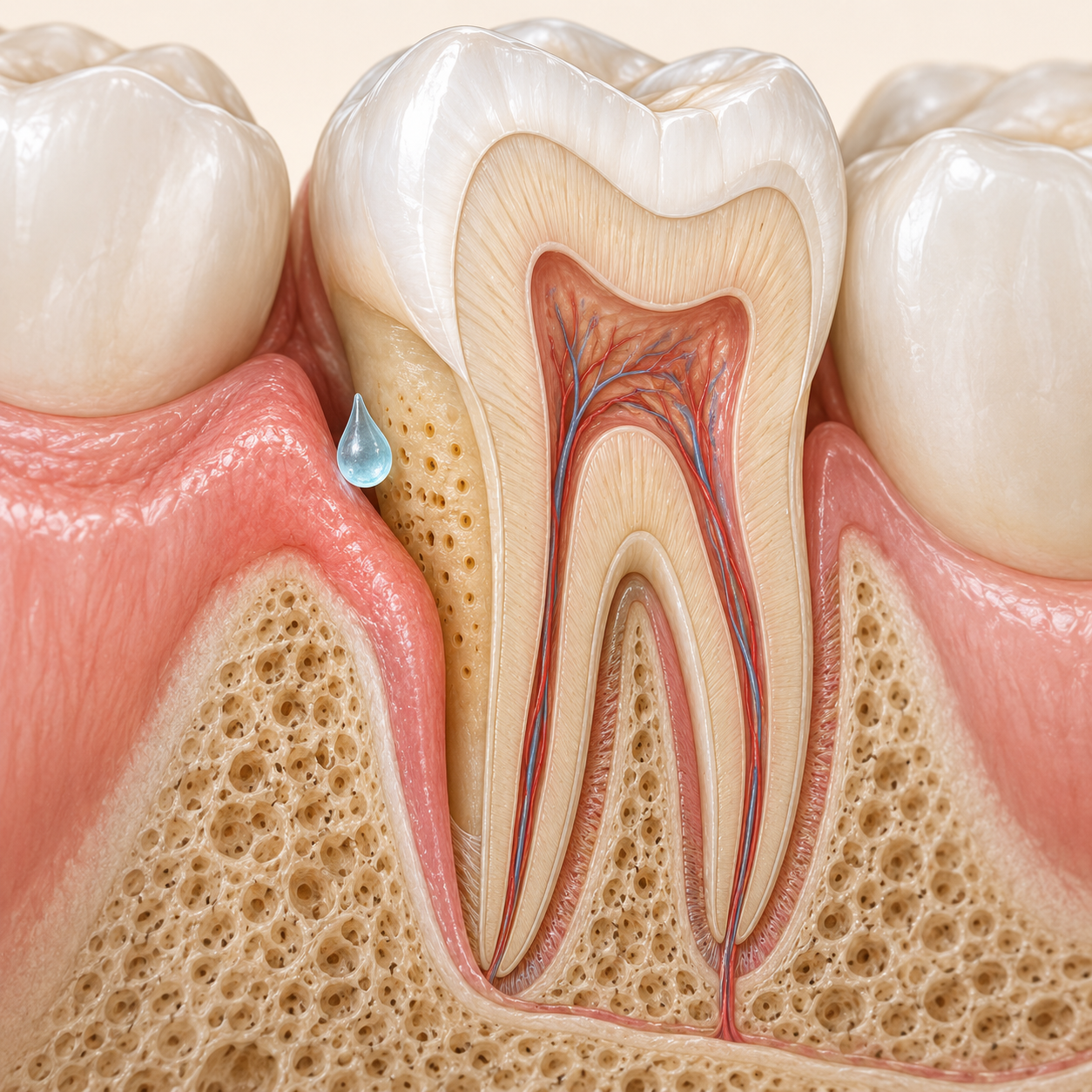
Tooth Sensitivity
Short, sharp tooth pain can signal exposed dentin, decay, a crack, gum recession, or another condition that needs diagnosis.
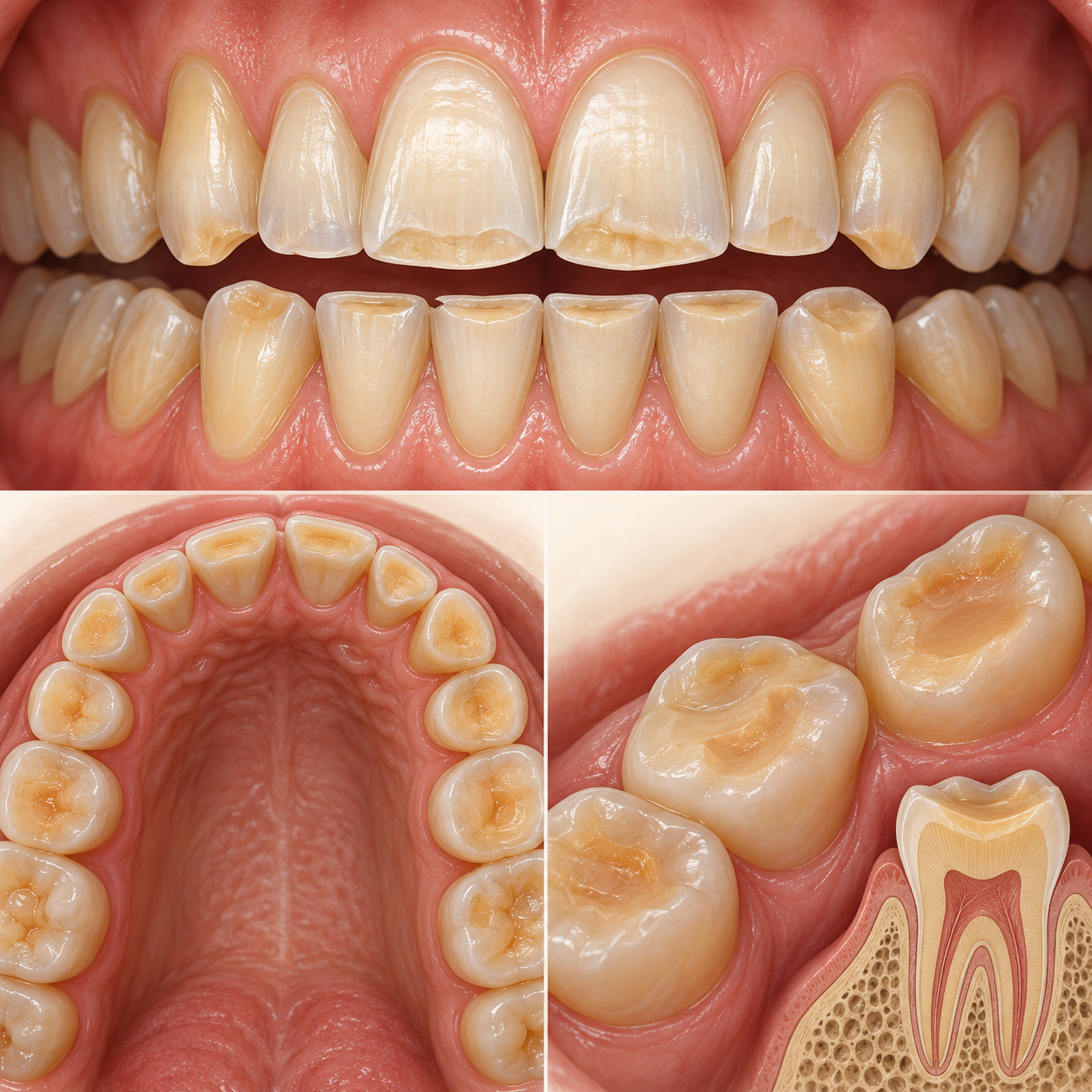
Enamel Erosion and Tooth Wear
Chemical acid exposure and mechanical forces can permanently remove tooth structure and change comfort, shape, color, and function.
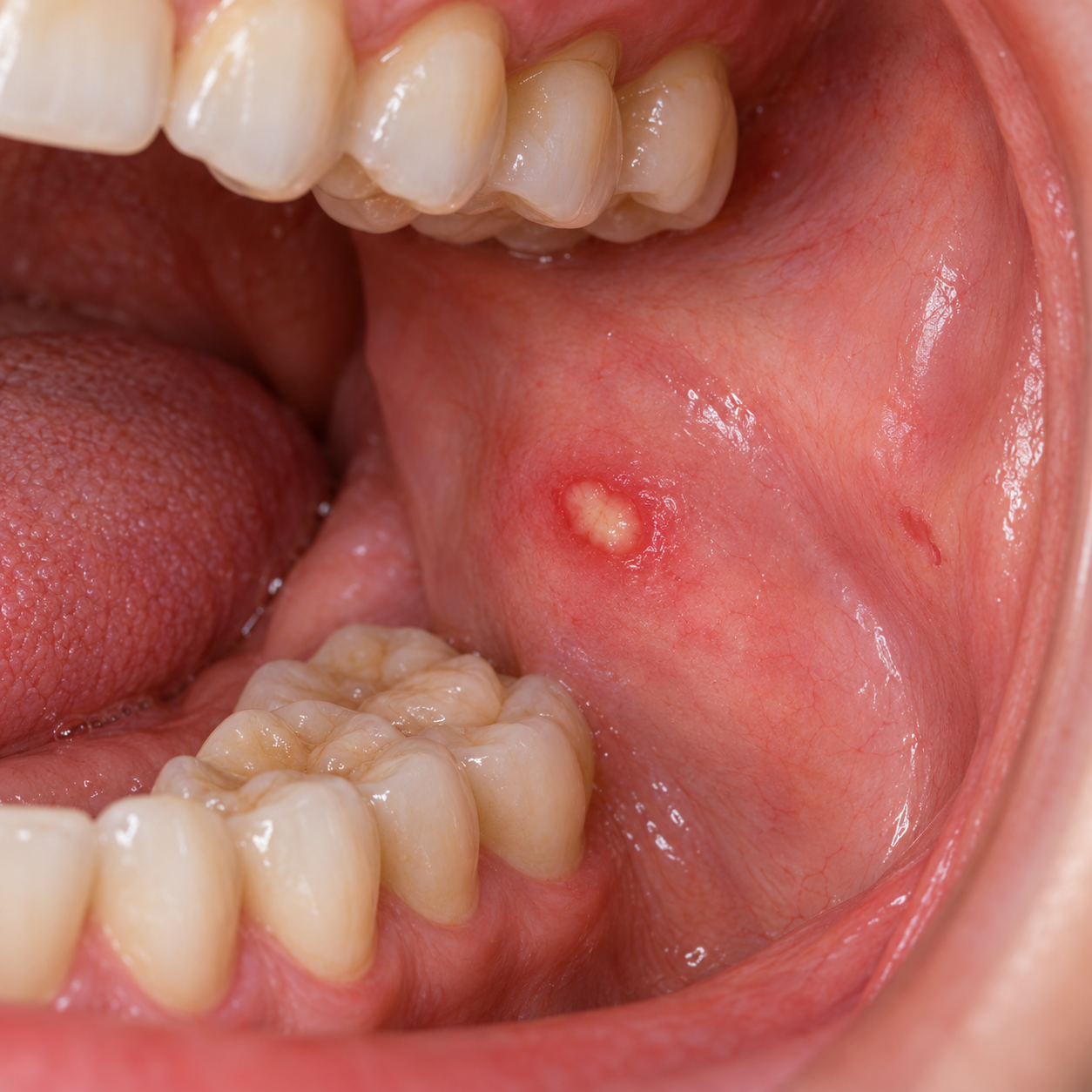
Mouth Sores and Ulcers
Most mouth sores heal promptly, but their location, appearance, recurrence, and duration help distinguish irritation, canker sores, infection, and concerning lesions.
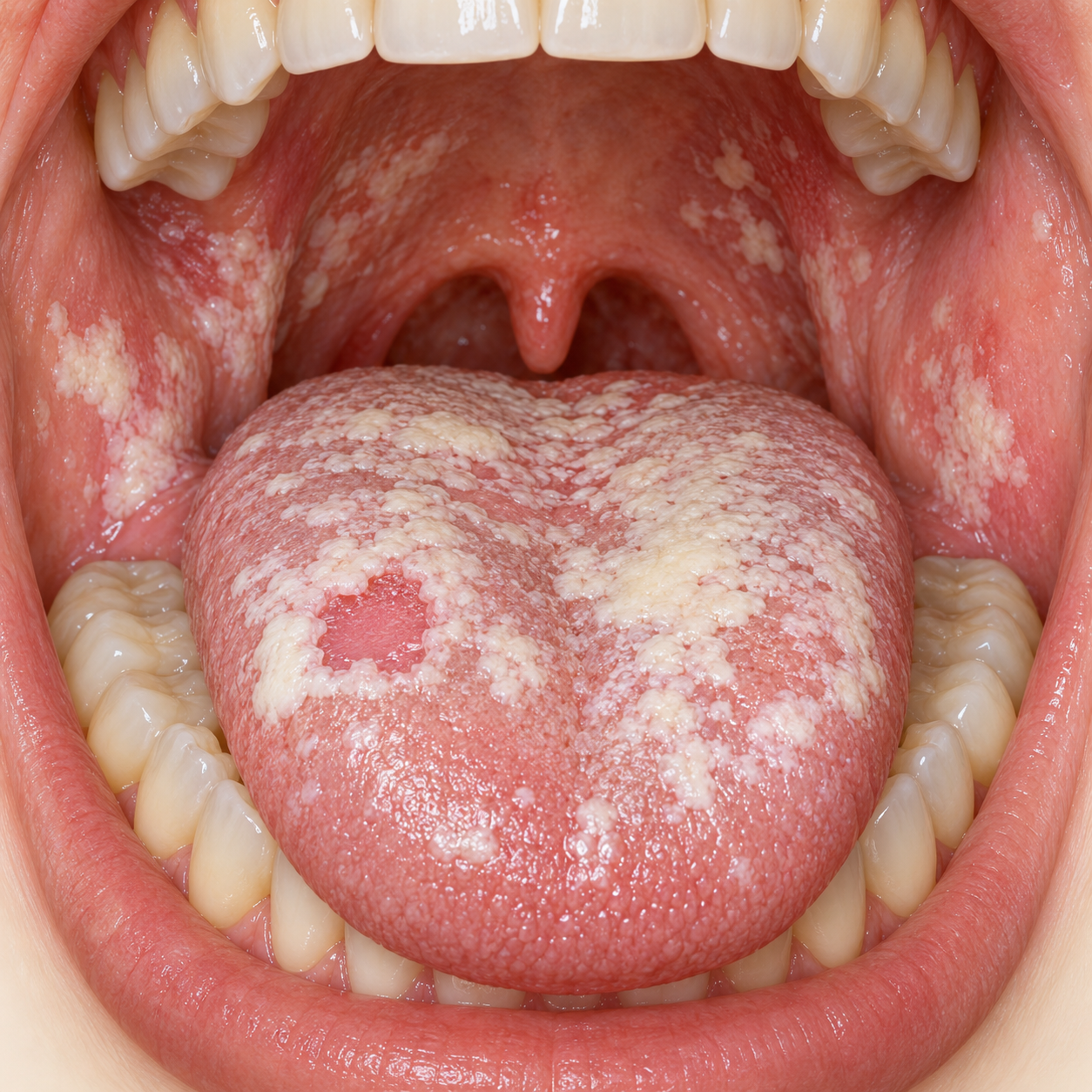
Oral Thrush
Oral thrush is a Candida yeast infection that may cause wipeable white patches, red sore tissues, burning, or altered taste.
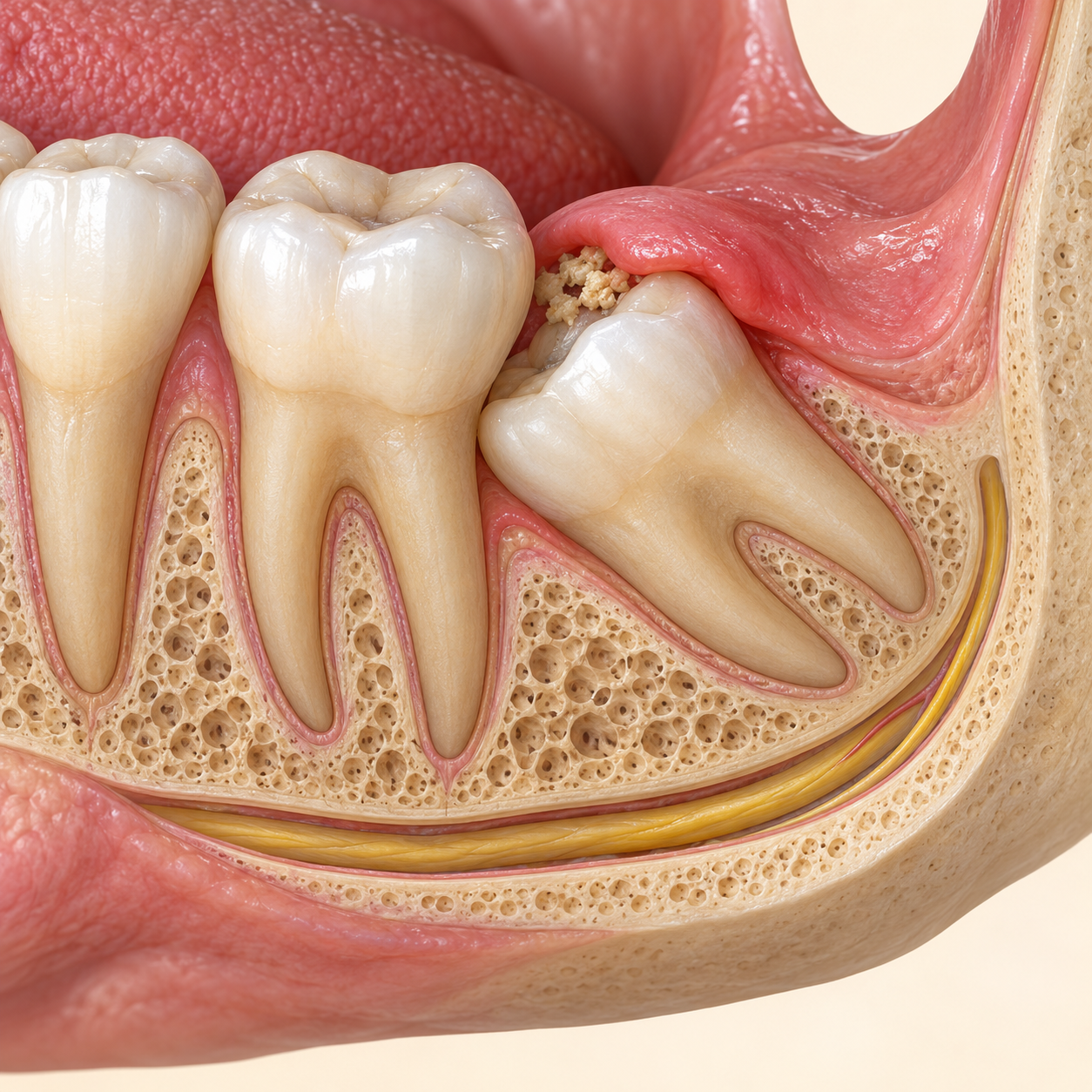
Impacted Wisdom Teeth and Pericoronitis
Wisdom teeth that are trapped or partly erupted can collect plaque, inflame nearby gums, damage adjacent structures, or become infected.
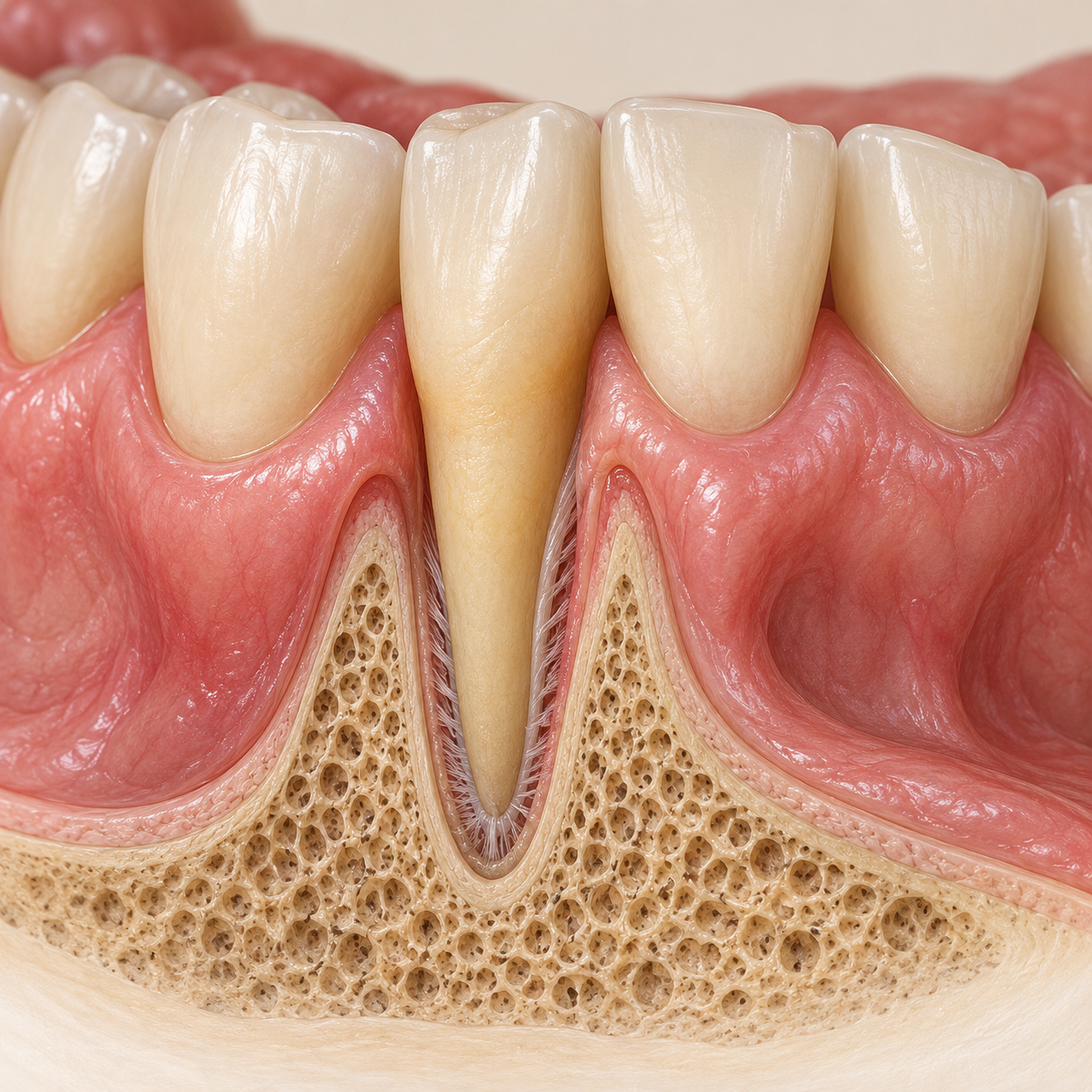
Gum Recession
Receding gums expose part of the tooth root and may increase sensitivity, root decay risk, and concern about gum or bone support.
Medical Conditions
Medical Conditions
Anxiety and Depression
Emotional health can influence daily oral care, diet, pain, appointment comfort, grinding, and medication-related dry mouth.
Medical ConditionsArthritis
Joint pain, limited dexterity, jaw involvement, and immune-modifying medicines can change home care and dental planning.
Medical ConditionsBlood Disorders
Blood and clotting conditions may affect oral bleeding, infection risk, healing, fatigue, and invasive dental care.
Medical ConditionsCancer
Cancer therapy can affect saliva, mouth tissues, taste, swallowing, infection risk, jaw movement, and healing.
Medical ConditionsCardiovascular Disease
Heart and blood-vessel conditions can influence stress management, bleeding, medicines, anesthesia, and treatment timing.
Medical ConditionsDiabetes
Blood-sugar control and gum inflammation can influence one another, making coordinated medical and dental care important.
Medical ConditionsDementia
Memory, communication, swallowing, and self-care changes make early prevention and caregiver-supported routines especially important.
Medical ConditionsEating Disorders
Eating disorders may cause erosion, sensitivity, dry mouth, sores, nutrition problems, and changes in healing.
Medical ConditionsGastrointestinal Disorders
Reflux, vomiting, inflammation, and malabsorption can affect enamel, saliva, mouth tissues, nutrition, and medicines.
Medical ConditionsKidney Disease
Kidney disease may affect bleeding, blood pressure, bone health, medication clearance, infection risk, and healing.
Medical ConditionsOsteoporosis
Bone health and antiresorptive medicines can influence extraction, implant, and jaw-healing discussions.
Medical ConditionsPregnancy
Hormonal changes can increase gum inflammation, while nausea and reflux may increase acid exposure to teeth.
Medical ConditionsRespiratory Diseases
Breathing conditions and inhaled medicines can affect appointment tolerance, dry mouth, thrush, erosion, and decay risk.
Medical ConditionsSleep Apnea
Breathing interruptions during sleep require medical diagnosis; dentists may help with selected oral-appliance treatment and follow-up.
Lifestyle Choices
Lifestyle Choices
Alcohol
Alcohol may contribute to dry mouth, irritation, decay, gum disease, trauma, and oral-cancer risk, especially with tobacco.
Lifestyle ChoicesSports or Activities
Contact, collision, and fall-risk activities can injure teeth, jaws, and soft tissues without appropriate protection.
Lifestyle ChoicesDrug Use
Recreational drug use can affect saliva, grinding, tissues, healing, anesthesia safety, judgment, and consent.
Lifestyle ChoicesOral Piercings
Oral jewelry can injure teeth and gums, introduce infection, alter sensation, and interfere with function.
Lifestyle ChoicesTobacco
Smoking and smokeless tobacco increase risks for gum disease, delayed healing, staining, tooth loss, and oral cancer.
Next action