Dental Emergency? Same-day appointments available. Call now: Cary Dental Arts: (919) 297-2701 | Wake Dental Arts: (919) 297-8858

Unique to You ยท Oral Conditions

Tooth Sensitivity

Tooth Sensitivity explained in clear patient-friendly language, including what to notice, what a dentist may review, and questions to ask.

Oral Conditions

Short, sharp tooth pain can signal exposed dentin, decay, a crack, gum recession, or another condition that needs diagnosis.

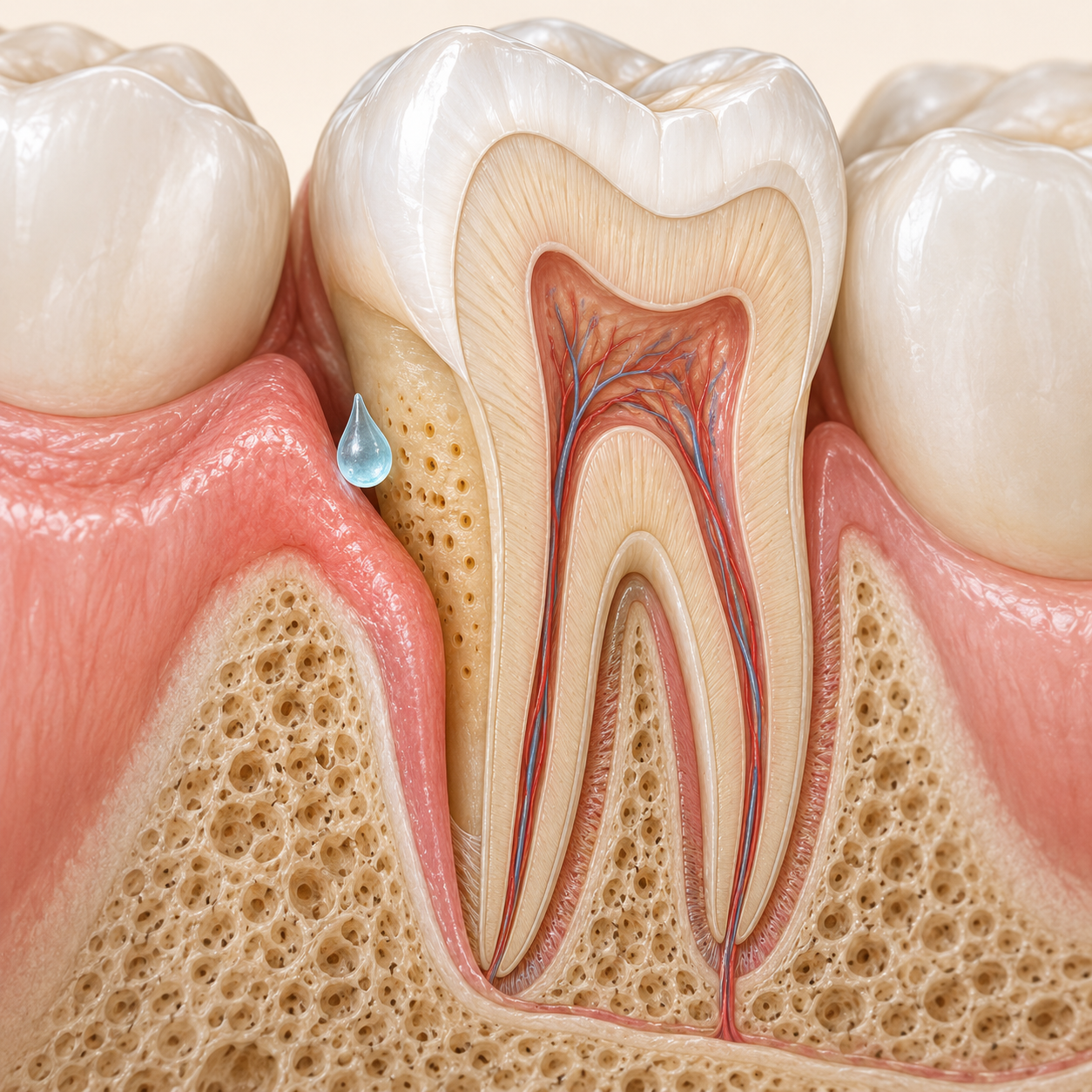
Clinical illustration of tooth sensitivity

Evidence-based guidance

Practical steps for tooth sensitivity.

Overview

Tooth sensitivity is a short, sharp response to cold, heat, sweets, touch, or air. It often occurs when dentin is exposed, but similar pain can come from decay, a crack, a failing restoration, or inflammation inside the tooth, so the cause matters.

Causes

  • Sensitivity commonly develops when enamel wears or gums recede and microscopic channels in dentin become exposed.
  • Decay, fractures, worn fillings, whitening, recent dental treatment, and pulp inflammation can cause similar symptoms.

Contributing Factors

  • Acidic foods or reflux, forceful brushing, gum disease, grinding, dry mouth, and abrasive products can increase risk.
  • Root exposure becomes more common with recession and periodontal treatment.

Symptoms

  • Typical dentin sensitivity is brief and stops after the trigger is removed.
  • Lingering, spontaneous, severe, or biting pain may suggest a different problem and should be evaluated promptly.

Diagnosis

  • The dentist reviews triggers and duration, then checks for decay, cracks, recession, wear, bite problems, and restoration defects.
  • Cold, tapping, bite, pulp, and dental X-ray tests may help identify the source.

Prevention

  • Use a soft brush with gentle technique, fluoride toothpaste, and avoid frequent acid exposure.
  • Manage reflux, grinding, dry mouth, and gum disease with appropriate professional care.

Treatment

  • Options may include desensitizing toothpaste, topical fluoride, bonding exposed areas, restoration repair, or gum treatment.
  • Persistent pulp pain may require root canal care; treatment is selected only after the cause is diagnosed.

Explore care

Related Dental Arts services

Next action

Book, call, or route this visit to the right location.