Dental Emergency? Same-day appointments available. Call now: Cary Dental Arts: (919) 297-2701 | Wake Dental Arts: (919) 297-8858

Unique to You ยท Oral Conditions

Gum Recession

Gum Recession explained in clear patient-friendly language, including what to notice, what a dentist may review, and questions to ask.

Oral Conditions
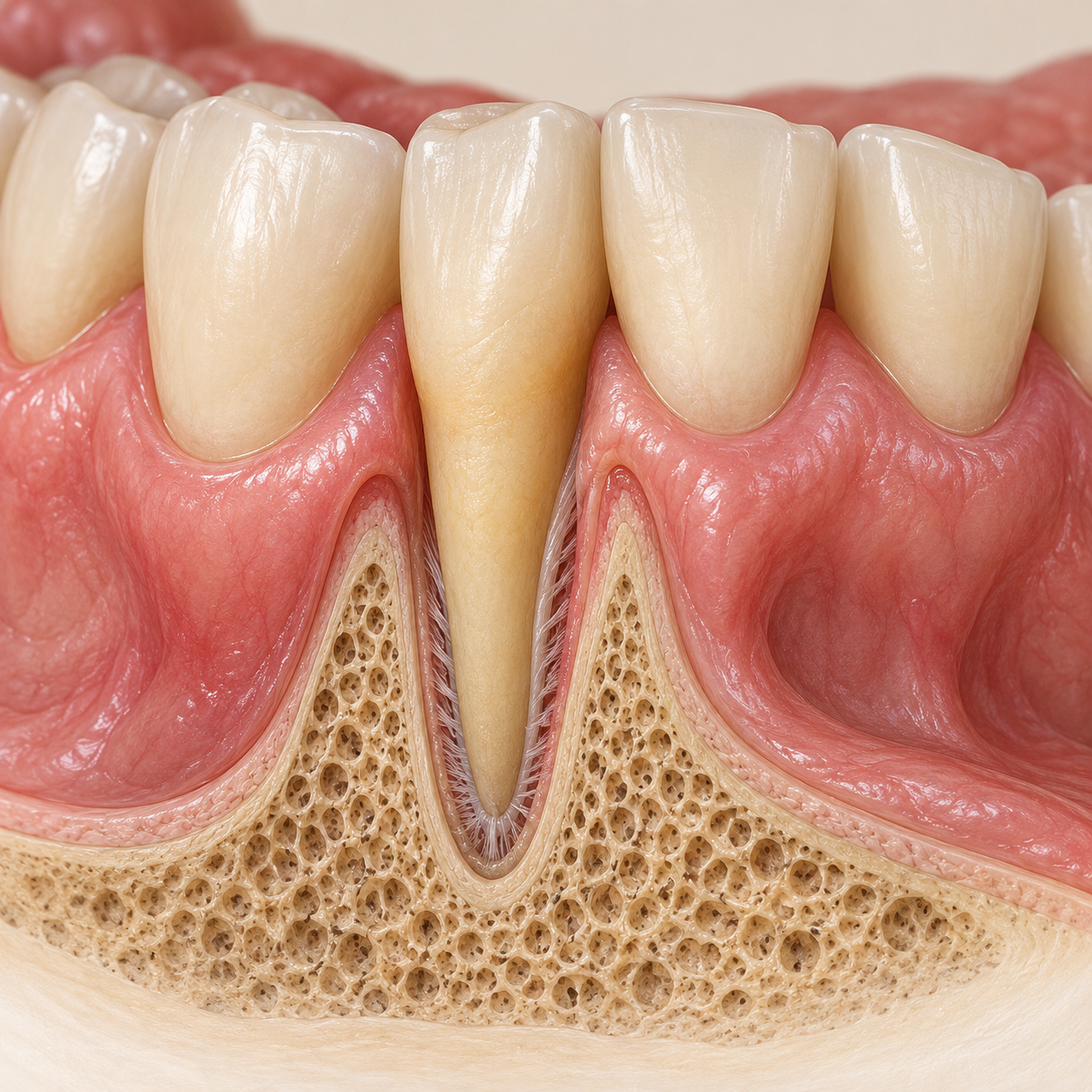
Receding gums expose part of the tooth root and may increase sensitivity, root decay risk, and concern about gum or bone support.

Clinical illustration of gum recession

Evidence-based guidance

Practical steps for gum recession.

Overview

Gum recession is movement of the gum margin that exposes more of a tooth or its root. It can be localized or widespread and may reflect periodontal disease, thin tissues, mechanical trauma, tooth position, or several factors together.

Causes

  • Periodontal disease can destroy supporting tissues and lead to recession.
  • Forceful brushing, thin gum anatomy, tooth position, orthodontic movement, oral piercings, and repeated trauma can also contribute.

Contributing Factors

  • Tobacco, plaque, grinding, high frenum attachment, and restorations or appliances that irritate tissue may increase risk.
  • Roots lack protective enamel and are more vulnerable to sensitivity, wear, and decay after exposure.

Symptoms

  • Teeth may look longer, the gumline may appear uneven, or a notch may be visible near the root.
  • Cold sensitivity, root discoloration, food trapping, bleeding, tenderness, or loose teeth may occur depending on the cause.

Diagnosis

  • The dentist measures recession and gum pockets and evaluates inflammation, tissue thickness, tooth position, bite, brushing, and restorations.
  • Dental X-rays help determine whether bone loss is present and whether periodontitis contributes.

Prevention

  • Use a soft toothbrush with controlled pressure, clean plaque effectively, avoid tobacco, and manage gum disease.
  • Regular monitoring can identify progression and allow adjustment of habits, appliances, or contributing restorations.

Treatment

  • Stable mild recession may be monitored with desensitizing and fluoride care; bonding can protect selected exposed root surfaces.
  • Progressive or high-risk sites may benefit from periodontal treatment, gum grafting, or management of tooth position and bite factors.

Explore care

Related Dental Arts services

Next action

Book, call, or route this visit to the right location.